


Subscribe for NMSafety News
Can Cut Resistant Glove Protect Hands in Extreme Wet Conditions?
19 Dec, 2025
By hqt
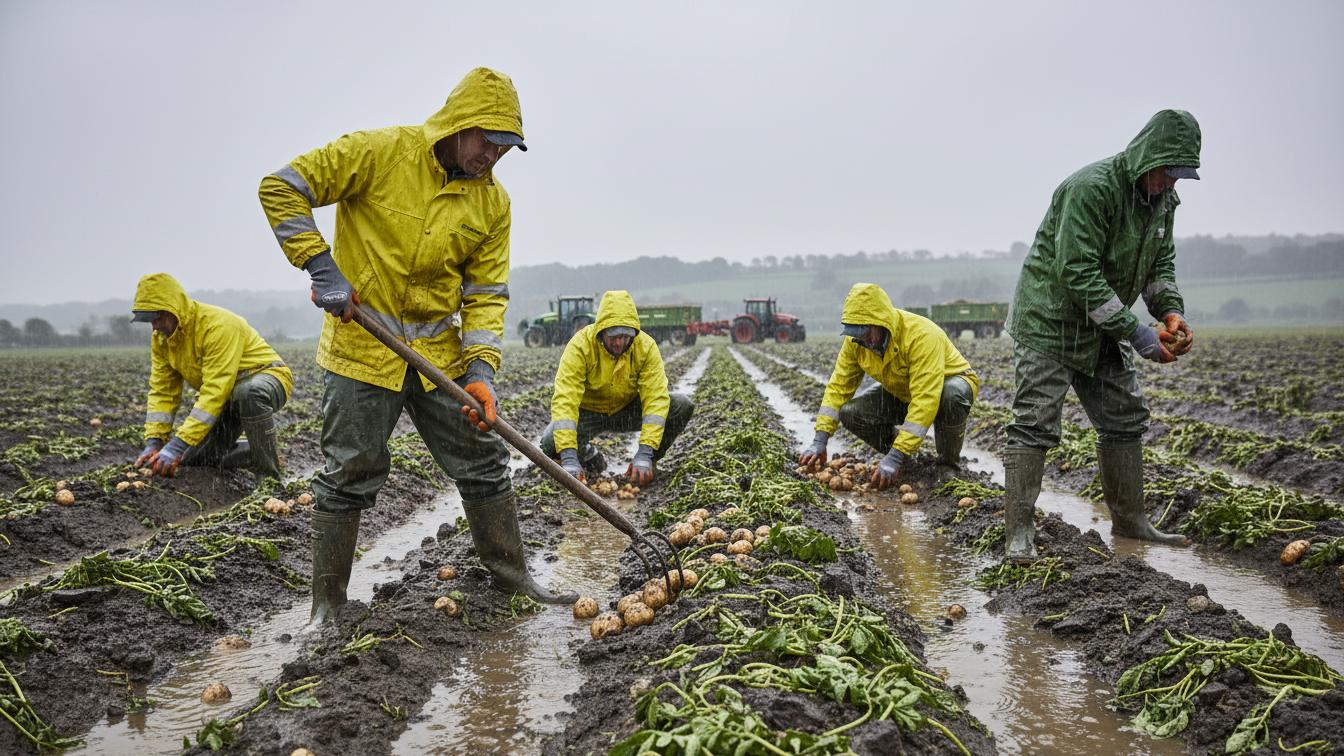
When the rain is pouring and every surface is slick, your hands become the weakest link. A Cut Resistant Glove is designed to stop blades, sharp metal edges, and rough materials from cutting the skin. It usually uses special fibers and a coated palm to block hazards in daily work. On a dry factory floor, this sounds perfect. But what happens when gloves are soaked by constant rain, spray, or oil? Can they still grip, protect, and stay comfortable? Or does water quietly break this "safety shield" apart?
Why Many Cut Resistant Gloves Fail When Things Get Wet
In many companies, safety managers feel confident because their teams already wear a high-rated Cut Resistant Glove. The datasheet says "A4" or "Level D", so it seems like the risk is under control. But once water, oil, or mud enter the picture, two common problems appear.
The first problem is hidden moisture. A lot of gloves only have a simple coating on the palm. The back of the hand, the seams, or the cuff are still open to water. After a short time in rain or spray, the liner becomes soaked. Wet fibers cling to the skin and quickly turn cold. Workers lose feeling in their fingers and start to remove their gloves "just for a minute" to dry their hands or get better touch on tools. That unprotected minute is often when a cut happens.
The second problem is lost grip. Many coatings work well when dry but turn slick when they meet rain, hydraulic oil, or plant sap. A knife handle that felt secure in the morning suddenly wants to spin in the hand. Metal sheets feel like ice. To keep control, workers squeeze harder, which increases fatigue in the fingers and forearms. Tired hands react slower and are easier to injure, no matter how good the cut rating of the Cut Resistant Glove looks on the label.
From NMSafety's customer feedback in agriculture, forestry, and steel processing, we see the same pattern: once everything is wet, risks grow fast. A glove that truly works in these environments must manage three threats at the same time:
•Sharp edges, blades, and rough surfaces
•Water from rain, spray, or immersion
•Oils, lubricants, or mud that destroy grip
If any one of these fails, the worker's overall protection is weakened - even if the cut level is high.
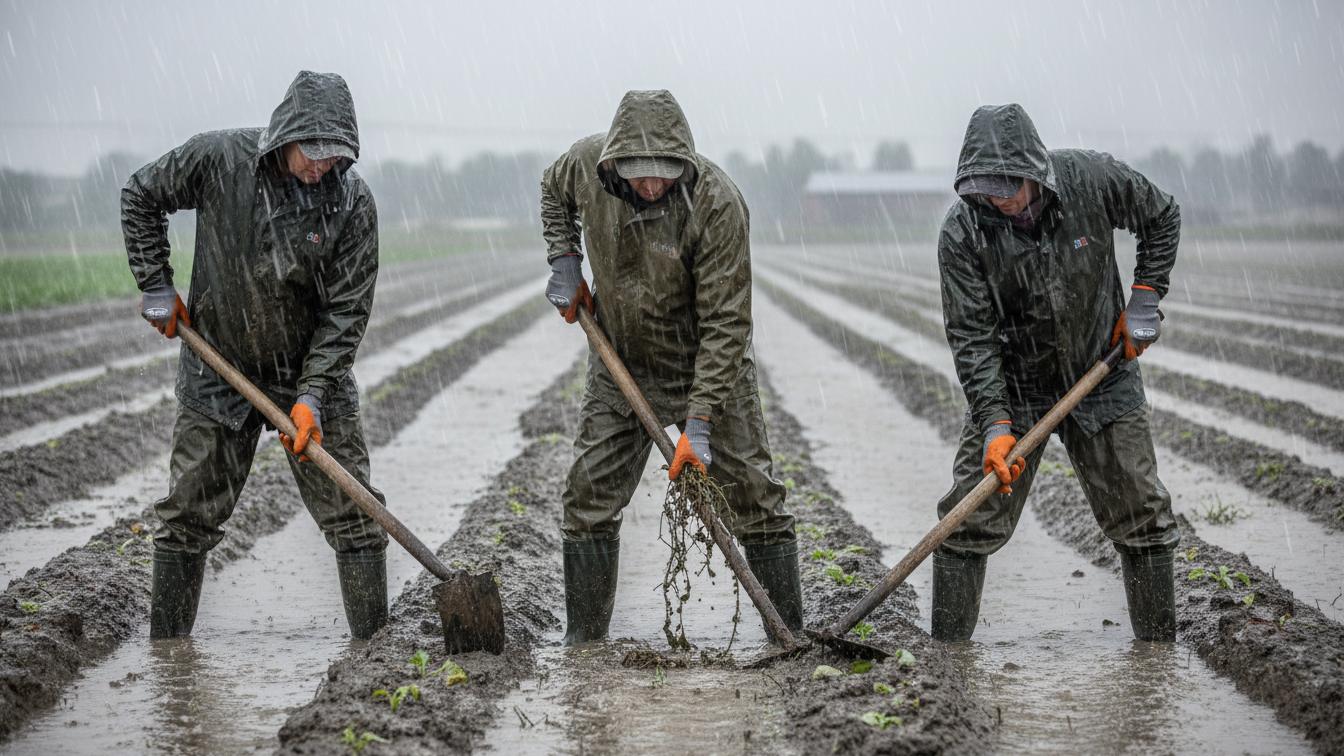
Inside NMSafety's Wet-Condition Cut Resistant Glove Design
Instead of simply taking a normal cut glove and adding more coating, NMSafety rebuilt the concept from the inside out. Our goal: a Cut Resistant Glove that stays dry, grips well in wet and oily conditions, and still feels light and flexible for all-day use.
- Between Dry Skin and Sharp Edges: the Dual-Layer Liner
At the heart of the glove is a carefully engineered liner system. The outer liner is a fine 18-gauge knit that combines nylon, HPPE, and glass fiber. This blend allows us to reach ANSI cut level A4 and ISO 13997 level D, which means serious protection against sharp steel edges, knives, and burrs - without building a thick, clumsy glove.
The inner liner is made from 13-gauge nylon. It sits directly against the skin, so we focused on comfort and durability. The fabric is smooth, flexible, and designed to move with the hand. When you flex, pinch, or grip small parts, the glove follows your motion instead of resisting it. Workers often tell us it feels closer to a "second skin" than to a traditional heavy safety glove.
This dual-layer structure gives the Cut Resistant Glove a clear advantage: the outer layer takes the mechanical stress and cut impact, while the inner layer keeps the hand comfortable, even during long shifts.
- A 360° "Raincoat" Wrapped around the Hand
The next challenge was water. Light splash protection was not enough; many workers stand in rain or work with constant spray. That is why we developed what we call "raincoat technology" - a 360-degree waterproof barrier around the hand.
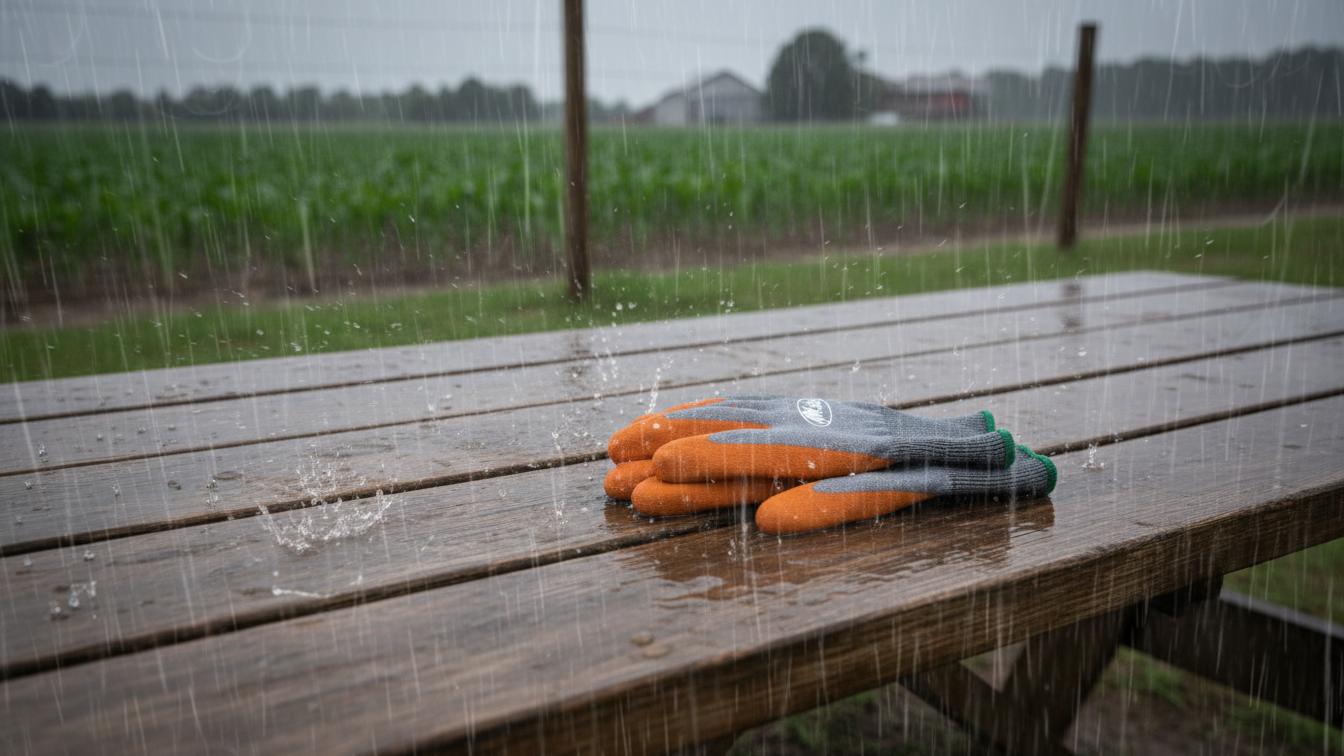
Instead of coating just the palm, we build a continuous waterproof layer that covers the hand from all sides. This barrier blocks water, rain, and splash, helping to keep the inside of the glove dry even in very wet conditions.
•360° waterproof coverage helps prevent water from entering at the back, seams, or cuff
•The double liner helps reduce that cold, soaked feeling on the skin
•Dry hands mean workers are more likely to keep the Cut Resistant Glove on throughout the job
When gloves stay dry inside, concentration improves. Workers do not need to stop to warm their fingers or "air out" the glove. That reduces the time they spend working with bare hands and cuts down on unprotected contact with sharp parts.
- Sandy Nitrile: Grip that Bites into Wet Surfaces
The final piece is grip. For this, we use a sandy nitrile coating on the palm. If you could see it under a microscope, you would find a textured surface with many small peaks and pores. The special texture acts almost like countless mini suction cups on wet and oily materials.
•Strong, stable grip on slick metal, tools, and components
•Lower hand effort, so workers stay comfortable for longer
•Better handling of sharp parts, blades, and fine assemblies
That is why this Cut Resistant Glove is more than a number on a datasheet. It becomes a trusted partner when floors are wet, tools are slippery, and conditions keep changing.
Together, cut protection, water resistance, and wet grip form a real solution to everyday safety issues in the field.
In agriculture, workers handle pruning tools, harvest knives, and metal irrigation fittings in fields that are often muddy or under sprinklers. A glove that lets water in quickly becomes heavy and cold. With a waterproof barrier and sandy nitrile palm, NMSafety's Cut Resistant Glove helps farm teams stay protected from early-morning dew through long, humid afternoons.
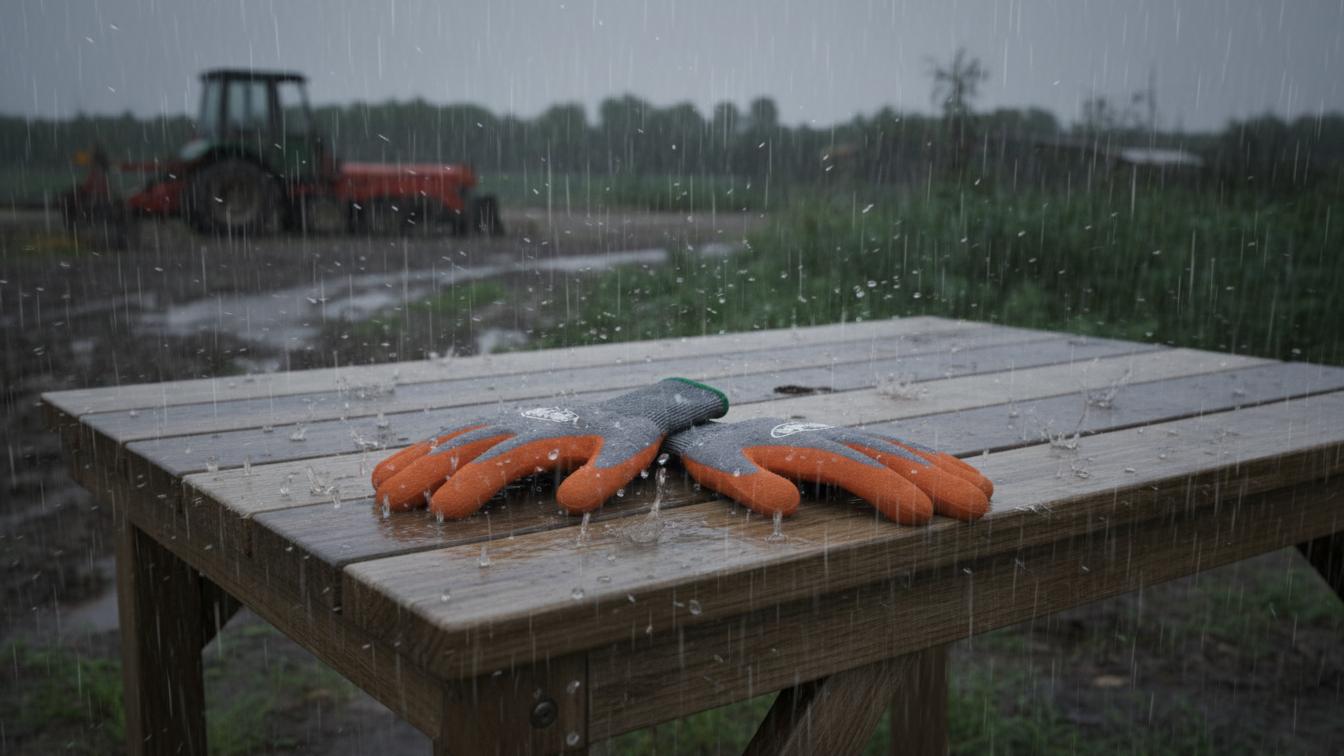
In forestry and timber, crews deal with wet bark, resin, and steel chains. Logs and tools get slippery fast. Good grip is as important as cut protection when you are guiding chainsaws, tightening hooks, or moving fresh-cut timber. Here, the textured nitrile palm helps lock onto wet surfaces, while the cut-resistant liner works like armor under the surface.
In steel and metal processing, sharp sheet edges and cutting oil are a dangerous mix. One slip can cause a deep cut that stops production and sends someone to the clinic. A Cut Resistant Glove that keeps oil outside and grip strong is a powerful safety tool. Workers can hold plates, bars, and smaller parts with confidence, even when coolant is flowing.
For safety managers, there is another advantage: simplification. Instead of stocking one glove for dry tasks, another for rainy work, and a third for oily maintenance, you can cover many wet-condition applications with a single, high-performance solution. That makes:
- Training easier
- Glove selection faster on the shop floor
- Compliance higher, because workers understand when and why to use the glove
NMSafety also understands that safety gear is part of your brand. That is why we offer customization options such as your own logo, preferred color, and packing design. This helps you align the Cut Resistant Glove with your safety program and company identity, while keeping the same technical performance.
Your Next Step: Turn "Good Enough" into Real Protection
If your team works in rain, around water, or in contact with oils and lubricants, a basic Cut Resistant Glove is no longer enough. You need protection that combines:
•Proven A4 / D cut resistance
•360° waterproof "raincoat" barrier
•Sandy nitrile palm for reliable grip in wet and oily conditions
•A dual-layer liner that workers actually like to wear
NMSafety is ready to help you review your current hand protection strategy, identify gaps in wet environments, and provide samples for on-site trials.
Contact NMSafety today to discuss your applications, test our wet-condition Cut Resistant Gloves with your own team, and give your workers what they really need: dry, secure, and confident hands - no matter how tough the weather or the job.
