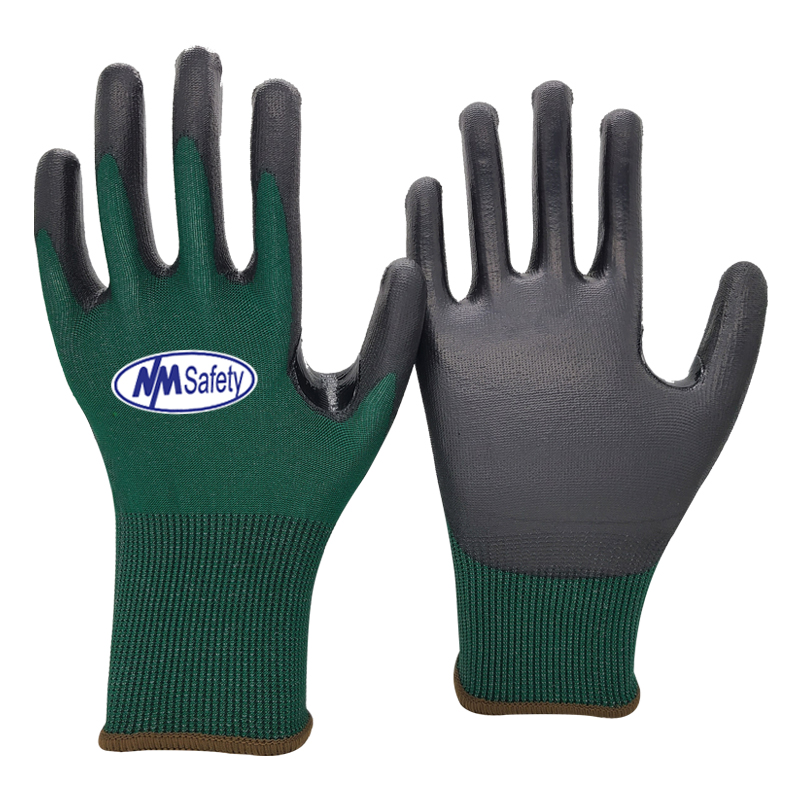
- Hand safety is the most important in any professional setting. In industrial workshops and kitchens, as well as medical laboratories, the threat of cuts, abrasions, and punctures is always present. That is where cut protection gloves come in - an essential component of hand protection PPE that ensures the safety of professionals and does not affect dexterity, comfort, or efficiency.
- Not only the nature of the work, but also the specifics of the work environment, the correct choice of gloves could make the difference between a pair of Kevlar protection gloves or lightweight cut-resistant gloves that are easy to use.
What Are Protection Gloves?
- Cut protection gloves, also known as cut-resistant gloves or safety cut gloves, are special-purpose protective gloves for cut protection to defend hands against sharp objects, abrasions, and punctures. In comparison with normal gloves, these anti-cut gloves are designed with high-reinforced fiber, high-technology materials, and ergonomic features that offer high durability safety gloves without affecting comfort or flexibility.
- The gloves of hand protection are not mere shields in the present time, but precision tools. They permit the safe work with knives, glass, metals, and machines, and facilitate activities that involve tactile sense and dexterity.
Raw Materials of Cut Protection Gloves
The level of protection, comfort, and performance of cut protection gloves is dependent on the material composition of the gloves. We shall consider the most widely used materials.
Kevlar Cut Protection Gloves
Kevlar hand protection gloves have been highly viewed as the gold standard of industrial protective gloves. Kevlar fibers are very strong and lightweight which are very strong and offer good cut and abrasion resistance without creating bulk.
Benefits include:
- High-quality cut resistance of sharp tools.
- Greater repetitive tasks.
- Light, easy to wear due to dexterity.
Best uses: Metalworking, construction, automobile work, and food preparation in cases of sharp tools.
HPPE Cut-Resistant Gloves
HPPE (High-Performance Polyethylene) cut-resistant gloves are designed to be protective and comfortable as much as possible. They provide a better fit when used in combination with an 18-gauge nylon knitted liner, which helps in alleviating hand fatigue in long usage.
Advantages include:
- Increased cut protection with minimal weight.
- Fits well and can be worn over a longer period.
- Good hand coordination in performing fine duties.
Key feature: The palm of a number of HPPE gloves is being coated with PU material that has excellent grip in both wet and greasy situations, and the thumb and index finger regions are reinforced to add to the durability factor.
Nylon and PU-Coated Gloves
The gloves are cut-resistant PU (polyurethane) palm-coated nylons, which are ideal in activities where the grip, flexibility, and protection are needed. They are an amalgamation of ease and maximum strength of protective gloves that are required in the industrial, laboratory, and warehouse sectors.
Highlights:
- Soft, breathable liner
- PU wet and oily grip coating.
- Lightweight and flexible design.
Other highlights: Some of the designs have touchscreen-compatible fingertips, meaning that workers can operate them without taking their gloves off.
Stainless Steel Mesh Gloves
In extreme cut hazards, the stainless steel mesh gloves are the best. They are usually utilized in the food processing, meat handling, or glass-cutting processes. They are tough safety gloves that do not get deep cuts even when using very sharp tools.
Cuts of Gloves and their Application in Industry
There are various industries that need different types of gloves that are made to suit the risks involved.
- Construction Cut Protection Gloves
The construction sites are full of sharp tools, glass, and metal parts. Industrial cut gloves offer the necessary precaution against any punctures, abrasions, and small lacerations. They are used by workers with heavy machinery and construction materials, which reinforced designs, cut-resistant gloves with high dexterity, and PU-coated palms.
- Manufacturing Cut-Resistant Gloves
The manufacturing sectors require the use of mechanical protection gloves that can handle the recurrent contact with sharp metals, glass, and machine components. These environments tend to rely on EN388-certified cut gloves that make them compliant with the standards of regulatory safety.
- Kitchen and Food Handling Gloves
In kitchens, food preparation employees and chefs use kitchen gloves to handle knives and slicers safely. Lightweight gloves to work with sharp objects made of Kevlar and food-grade cut-resistant gloves can be used to avoid mishaps without losing dexterity. There are also waterproof protection gloves, which are some of the gloves, and are recommended in wet workplaces.
- Automotive and Metal Handling
Cheng and automotive workers require abrasion-resistant, highly durable protective gloves, flexibility, and cut-resistant gloves used in automotive work. Anti-puncture cut gloves come especially handy in handling sharp metal sheets or tools.
- General Industrial Safety and Warehouse
Warehouse safety needs are met by warehouse workers who have to wear gloves to protect against warehouse hazards, and industrial safety by wearing protective gloves to eliminate hazards of packing materials, pallets, and sharp edges. Lightweight cut-resistant gloves, which are flexible, keep them safe as well as productive.
Modern Cut Protection Gloves: Performance Features
The contemporary cut protection gloves are made of materials that are advanced and are designed innovatively and optimally to ensure maximum safety, comfort, and wear.
- Nylon and HPPE Knitted Liner 18 Gauge
The nylon and the super-strong HPPE knitted liner is an 18-gauge that offers the best hand protection PPE and does not compromise on comfort. This liner guarantees a long life and good performance, unlike gloves that have been reinforced using the fiber of glass or steel, which break and lead to skin irritation.
The palm coating of PU is making the cut-resistant hand gloves more trustworthy when dealing with oily or wet tools or materials, as it increases the grip in both wet and oily environments. The coating also enhances the abrasion resistance of the glove, but at the same time, it is flexible.
- Reinforced thumb and index Finger
Gloves are frequently reinforced around the thumb and the index finger to give the gloves extra power. This helps to avoid wear in places of high stress, making the gloves last longer when working in industries or the kitchen.
- Touchscreen Compatibility
Most current cut-resistant high-dexterity gloves are designed with touchscreen-friendly fingertips so that users can use their gloves to interact with gadgets. This can be applied particularly in warehouses, labs, or in the industrial environment where efficiency is paramount.
Safety Standards and Compliance
These gloves that are used should be of international safety standards to be both legal and safe for the workers.
- ANSI cut level gloves: Certify gloves depending on the level of cut-resistance.
- EN388 certified gloves: European standard of mechanical risks.
- Protection gloves: certified by CE: Pose no harm to European safety standards.
- OSHA-approved gloves: Assures of workplace safety.
- International standard of uniform quality: ISO safety gloves.
To be sure it is safe, hand protection should always be regulatory-approved by well-known suppliers such as NMSafety.
Conclusion
The cut protection gloves are not just any safety gear, but an extension of the professional. In the construction industry, manufacturing industry, kitchens, automobile industry, or warehouse industry, the appropriate pair of gloves will guarantee safety, productivity, and assurance. To acquire high-quality, compliant, and versatile protection gloves, NMSafety would serve your needs for workplace safety.